

Category: Uncategorized
Op-Ed: Energy Affordability Has an Income Problem, Not Just a Bill Problem
By John Silkey
Executive Director, Southeast Energy Efficiency Alliance (SEEA)
The energy affordability conversation has a blind spot. Household energy bills grab the headlines. But in the Southeast, we have some of the lowest electricity rates in the nation, and the highest energy burdens, even before new manufacturers and data centers arrive.
That’s not a contradiction. It’s a clue: cost is a necessary variable to address, but not sufficient to solve the problem. We need to weigh household income as much as energy costs.
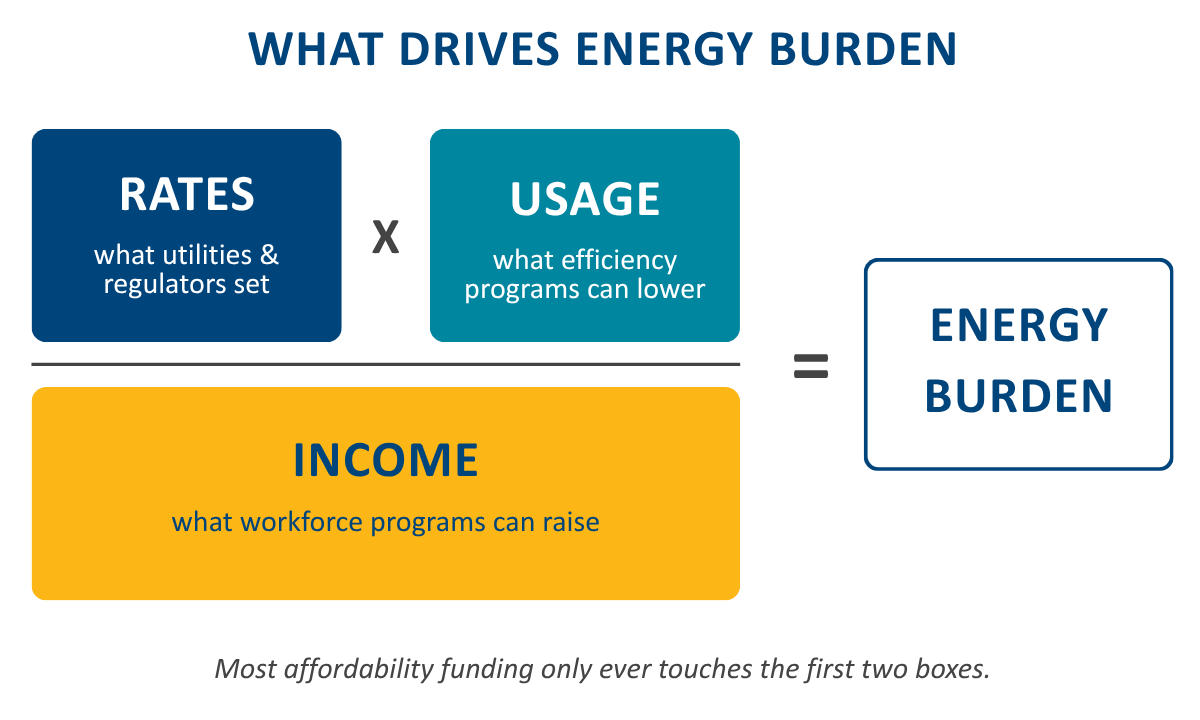
Rates and efficiency are what utilities and regulators control. Income is driven by job opportunity. Most affordability funding touches only the first two variables. A workforce-focused efficiency program touches the one that changes a family’s trajectory.
The Treadmill
Energy is a service no household can do without, and usage can’t be meaningfully reduced without upfront capital most Southeast households don’t have. Utility programs help but hit two hurdles: millions of Southeast homes are too structurally poor to qualify for those programs, and many who do qualify still lack the capital for bigger upgrades like insulation, HVAC, or windows. The 33% who rent have no incentive to invest in something they don’t own.
Affordable rates and utility programs can help prevent shut-offs and predatory payday loans. But they don’t solve what is a long-term problem.
Walk through the affordability funding ecosystem and you’ll find the same logic repeated at every level: reduce the bill. Weatherization budgets. LIHEAP allocations. Utility rebate programs. Each lowers what a household owes each month. None changes what it earns. These programs were never designed to solve a structural income problem.
Here’s what that gap looks like in the numbers:
More rebates alone won’t fix this. The treadmill runs faster than support can keep up. And the energy transition provides a generational opportunity for some to get off it.
The Wrong Question
Private funding has largely followed the public sector’s lead, funding programs that help households cope with a structurally broken situation. That made sense when federal programs provided the floor and philanthropic dollars filled the gap.
But the question we’ve been funding, how do we lower the bill, is incomplete. The question we need to ask: why is the bill a burden in the first place? The answer breaks into two parts.
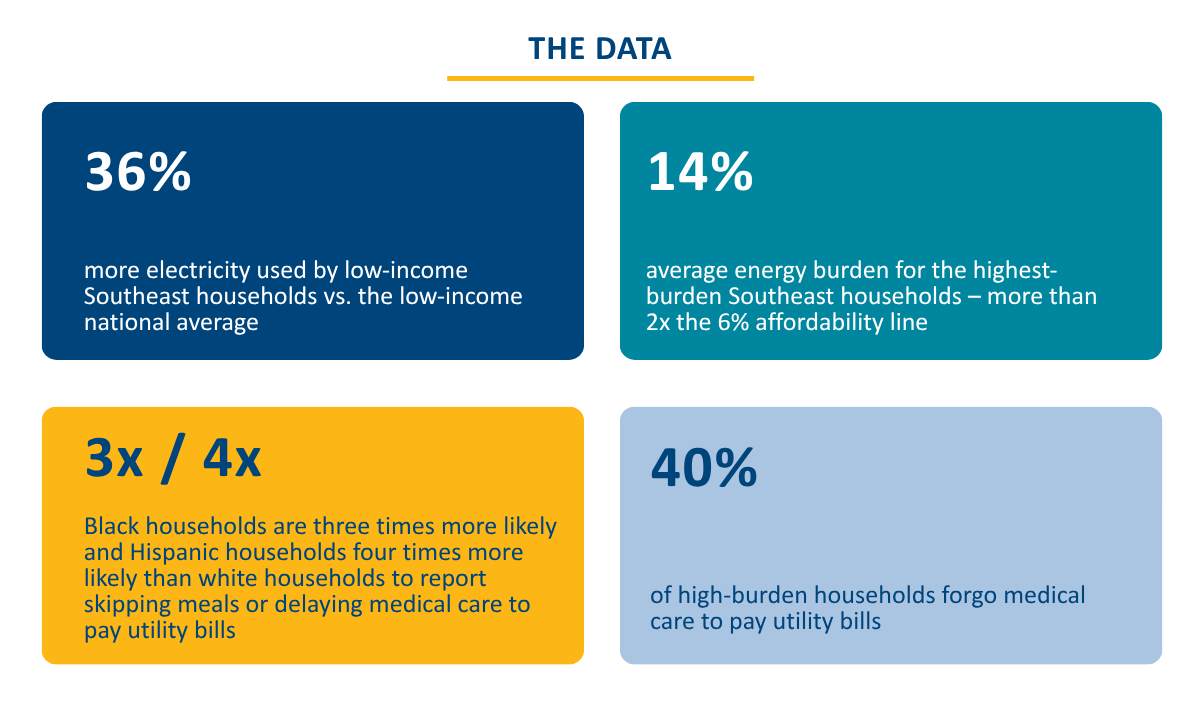
On the consumption side: low-income Southeast households use 36% more electricity than the national low-income average. Their homes are old, leaky, and inefficient. On the income side: Mississippi, South Carolina, Alabama, Georgia and Arkansas rank at the top of the nation in low-income energy burden. They’re not the states with the highest rates. They’re the states with the lowest incomes.
So funding that only touches the bill side isn’t a long-term solution. It’s a maintenance program.
Utilities and regulators are right to focus on rates, reliability, and bill impacts. That’s the system they steward. But affordability is also a function of aging housing stock and regional income, realities outside any one institution’s authority. Paired with rising workforce shortages in the energy trades, that gap is also an opportunity.
A Different Category of Investment
That opportunity starts with people. Millions of experienced trades workers are set to retire in the next four years, a gap clean energy deployment is already running into. SEEA members feel it now in too few energy auditors and higher costs to reach areas where the skilled workforce doesn’t exist. It’s a challenge in both rural and urban centers. The energy transition will require the largest trades hiring wave in generations, and that demand isn’t going away. The workforce to meet it is.
That’s the gap Building Opportunity Labs is built to close. At SEEA, we’re developing a model that turns trusted community buildings and cultural institutions into energy upgrade and workforce training hubs. Residents aged 18 to 25 train to install the technologies that lower energy costs in buildings in their own communities. Fellows earn $18 an hour during training, complete stackable credentials, and move into career-track jobs with SEEA members who are hiring for them.
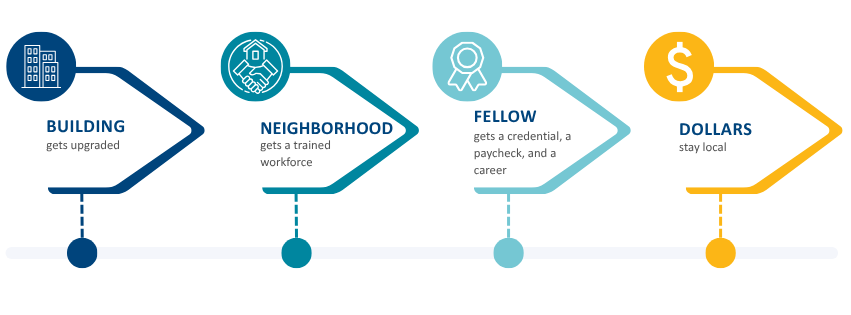
That’s not only an energy efficiency program. It’s an economic development strategy that addresses two-thirds of our equation at once, consumption and income, and it belongs in a workforce and economic mobility portfolio, not just a clean energy one. The energy transition delivers the opportunity; it isn’t the point of the investment.
What a Different Conversation Looks Like
The workforce gap is opening now, and the window to put low-income residents on the right side of it is time-limited. There’s a category of investment that works the income side of the ledger, not just the bill side. It uses the energy system as the engine while still reducing consumption, and it needs funders willing to ask a different question.
Let’s not fund just the treadmill. Let’s fund the ladder.
OpEd: The cheapest power plant in the Southeast is already built.
By John Silkey
My house was built in 1952 and renovated in 2021. New systems, new windows, new finishes (with a tired, generic farmhouse aesthetic – but that’s a story for another time.)
It still hemorrhages cold air in the summer and warm air in the winter. My energy bills show it every month. We did not skip maintenance – biannual HVAC tune ups, vent cleaning, weather stripping. A utility in home audit showed the house was meeting much of their standards with a few, expensive exceptions. The house still leaks.
The power company could build thirty more power plants. It would not fix what is wrong with my house. In fact, my bill would go up, because I would be paying for the construction of those plants and the fuel to run them, on top of the energy I am already wasting.
My house is not an outlier. Across the Southeast, roughly 40 percent of homes were built before 1980, before most of the region had any energy code at all. Conversely, despite our construction boom, less than 30% of southeastern homes were built after 2000. We have tens of millions of houses leaking energy every single day, in every single county, and every one of those leaks shows up as a charge on a customer’s bill and a megawatt added to a utility’s forecast.
I’m fortunate that I can financially handle this waste. Millions more in the Southeast are forced to decide between paying their power bill or their medical costs or their car payment.
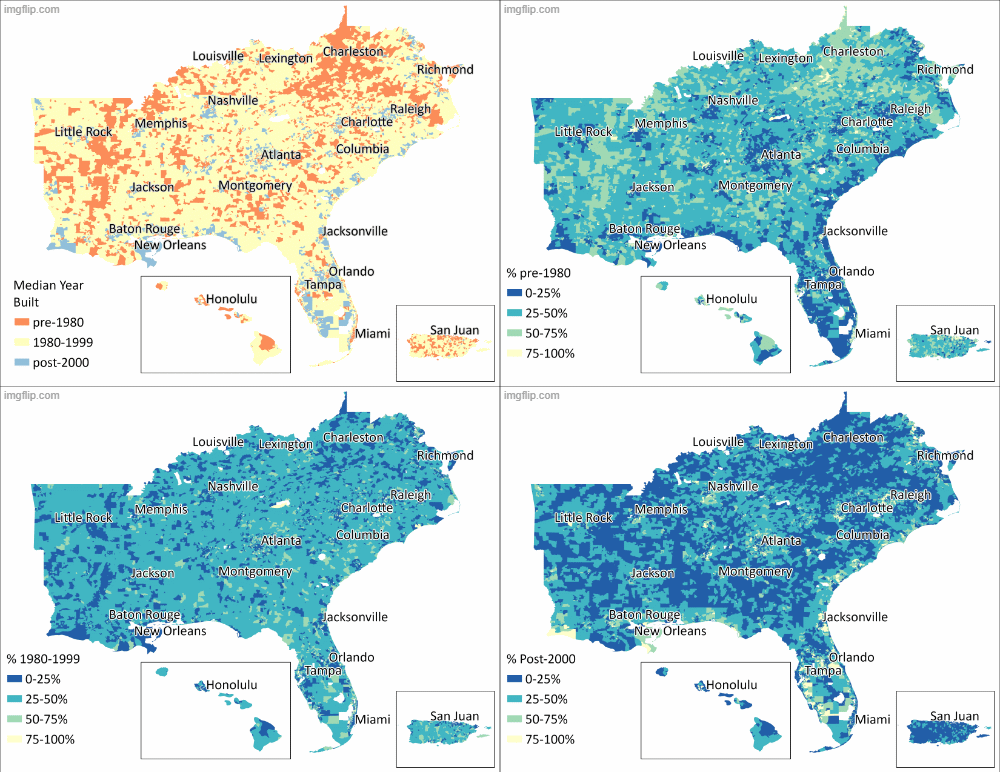
A map from SEEA illustrates the age of housing across the Southeast, including the percentage of homes built during different time periods and the median year of construction. The census tract-level analysis represents approximately 40 million homes across the region and is based on data from the U.S. Census Bureau’s 2023 American Community Survey (ACS).
For the first time since the 1970s, energy costs are back at the kitchen table conversation. Bills are rising. We have the fastest projected load growth the Southeast has seen in decades. And the response, from policymakers and much of the funding world alike, is to focus on what we can build. More generation. More transmission. More clean power before the tax credits disappear.
All of that is necessary. None of it fixes these homes and the massive drain of electrons spinning away underutilized. None of it changes the fact that we keep reaching for the expensive solution when a cheaper one is sitting right there, underfunded, in plain sight.
Here is the part of the equation that keeps getting left out.
Energy waste is not just an inconvenience. It is a cost driver, and the cost lands on everyone, not just the household with the drafty windows. When a building leaks energy, something has to make up for what it loses. That something is generation. Utility customers fund all of it. They pay to build the plants. They pay to fuel them. Every kilowatt wasted is a kilowatt that has to be generated, delivered, and billed, to every customer on the system, not just the one with the leak.
One kilowatt saved costs utilities less than $40 per year to deliver, according to ACEEE. One kilowatt of new generation costs more than $51 per year to build. A comprehensive efficiency upgrade, the kind my house still needs, can cut annual energy costs by 10 to 30 percent. Multiply that across 40 percent of the homes in the Southeast, and the math stops being about one homeowner’s bill. It becomes a regional capacity question, right as new power demand is pushing that capacity to its limit.
Some southeastern utilities already understand this. When they do long-term resource planning, projected efficiency savings come off the top of expected demand before they calculate how much new generation to build. They are not doing this to be good environmental citizens. They are doing it because it is cheaper than the alternative. A region full of homes like mine forces the grid to overbuild. A region of sealed, updated homes does not.
Meanwhile, federal lawmakers are cutting weatherization funding and LIHEAP, calling them government waste. They are not waste. They are investments that reduce the load every customer on the grid pays to serve. Cutting them does not save money. It defers the cost into the next rate case and hands the bill to the same customers these cuts claim to protect.
Clean generation funding is visible. A solar array is something you can photograph and point to at a board meeting. Efficiency is invisible by design. It is the energy that was never wasted, the plant that was never built, the bill that never arrived. Nobody cuts a ribbon for a sealed attic.
That invisibility is why it stays underfunded, and why philanthropy has a huge opportunity here.
Efficiency upgrades work faster and cheaper than almost anything else available, including solar, wind and battery. Demand-side resources can be deployed in under six months. A new gas peaker plant takes five to seven years to permit and build. Community solar takes at least 2-3 years. The Southeast does not have years to wait. The need for more power is growing now, and so are the bills of every homeowner whose house was built before anyone thought to ask how much energy it would waste.
Funding new generation without funding efficiency is like putting a new furnace in a drafty house and calling the problem solved. The furnace runs all day. The house is still cold. The bill is still high.
My house needs both. So does this region. Close the drain, and every dollar already being invested in clean generation will go twice as far.
Heat Pumps Reduce Costs for Utilities & Customers
Inside SEEA’s 2026 Annual Member Meeting

The Southeast Energy Efficiency Alliance (SEEA) is preparing for one of its most pivotal Annual Member Meetings yet. As the region faces accelerating load growth, rising affordability concerns, and the urgent need for a more flexible and resilient grid, SEEA’s 2026 gathering is designed bring members together to align priorities, share insight, and move decisively into action.
Executive Director John Silkey describes the meeting as a rare opportunity for members to step away from day‑to‑day pressures and work collectively on the Southeast’s most complex energy challenges. As he puts it, the Annual Member Meeting is “a chance for members to come together in a more intimate setting and make deeper connections with their peers across sectors by working together on hard problems.”
This year’s event is more than a convening. It’s a strategic inflection point for the region.
Why This Meeting Matters Now
At its core, the Annual Member Meeting is about connection, shared learning, and building a stronger regional network. Silkey emphasizes that the value of the gathering goes far beyond presentations or updates. It’s about the kind of deep, meandering conversations that simply can’t happen in virtual settings.
“Build trusted relationships and have meandering, curious conversations together… You don’t get that over a one-hour zoom.”
This meeting creates space for:
Silkey notes that when members have both time and a facilitated process, they can “move quickly from ideas to collaboration”, something that rarely happens in the normal place of work.
What’s New in 2026: A Sharper Regional Focus
This year’s meeting reflects a shift in both SEEA’s strategy and the region’s needs. According to Silkey, “SEEA, and the region, are gaining a sharper focus on what’s needed now and over the next five to 10 years… to create a reliable, flexible, and affordable grid for all.”
Several elements distinguish the 2026 meeting:
The Role of SEEA Members: Co-Creators of the Region’s Energy Future
SEEA’s members aren’t just participants, they’re essential architects of the region’s path forward.
As Silkey puts it, “Members are the key! The challenges and opportunities we’re facing as a region are more and more complex, which means we need more cross-sector collaboration. No one organization has the answer anymore – we all have a piece of the puzzle and what SEEA can do is bring those pieces together so we can see what the picture looks like.”
SEEA’s role is to synthesize these perspectives into actionable knowledge. As Silkey explains, SEEA is most effective when it “asks rich questions, listens, and pulls together the important insights, connections, and new questions its members come up with.”
Why In-Person Collaboration Still Matters
Rather than back-to-back presentations, SEEA structures the Annual Member Meeting to prioritize hands-on collaboration—giving a small group of cross-sector partners the time and space to tackle complex challenges together, shape programs and policy, leave with clear next steps, and new contacts.
He describes the gathering as “an intimate setting with 50-70 of our most proactive members… It gives us the space to leave the day-to-day behind for two days and work on the hard things together.”
Looking Ahead: A Meeting Designed for Action
Silkey hopes attendees leave with more than inspiration. He wants them to walk away with concrete next steps.
“Collaborative projects that move us toward a shared vision of what we’re working for together.”
SEEA hopes the 2026 Annual Member Meeting is a catalyst where cross-sector partners turn ideas into programs, policy, and research that help the Southeast lead in energy optimization.
As SEEA continues to evolve, this meeting reflects where the organization, and the region, are headed: toward deeper collaboration, sharper focus, and a shared commitment to a resilient, flexible, and affordable energy future.
December Map of the Month
By Laura Diaz-Villaquiran
Mississippi is strategically important in U.S. energy production, transportation, and storage. Bordering the Gulf and Mississippi River, the state has extensive energy infrastructure, including crude oil, natural gas, and refined oil pipelines. Mississippi holds one-quarter of the nation’s underground natural gas salt cavern storage capacity and is home to the largest single-reactor nuclear power plant in the United States.
Despite this strategic energy position, Mississippi’s households experience the highest rate of energy insecurity in the entire country, with four out of every ten households in the state struggling to pay their energy bills from month to month.
This financial precarity is reflected in the state’s high energy burdens, a measure of each household’s ability to afford their energy costs. According to most researchers, households that spend 6% or more of their income on energy are considered highly burdened, while those spending 10% or more are considered severely energy burdened. Mississippi ranks as the fifteenth most energy-burdened state nationally (across all incomes) and the seventh most energy-burdened for low-to-moderate-income (LMI) households, those who make 0-80% of the area median income (AMI).
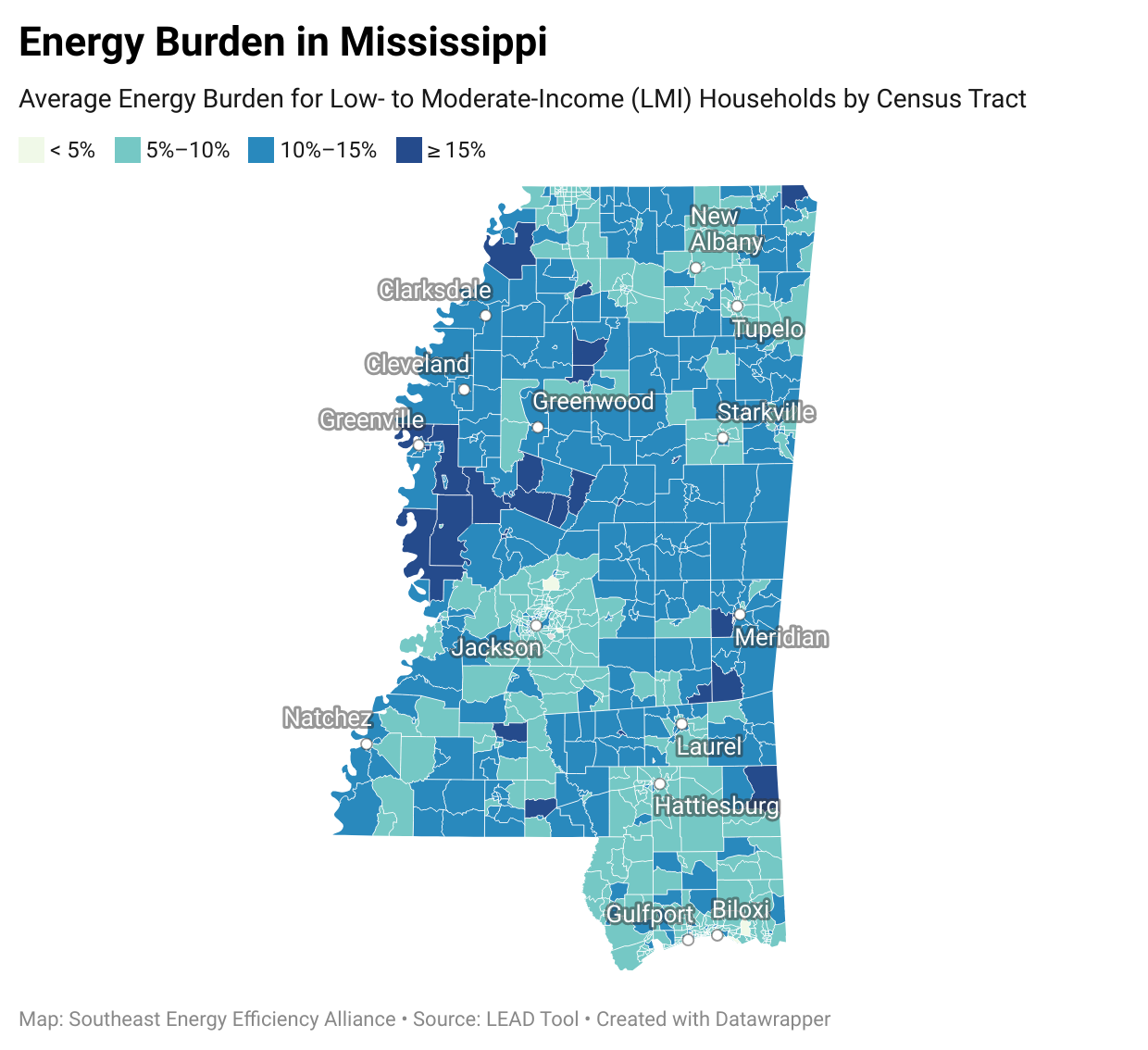
This month’s map of the month uses data from the U.S. Department of Energy’s Low Income Energy Affordability Data (LEAD) Tool to highlight average household energy burdens at the census tract level. As the map illustrates, energy affordability challenges are widespread across Mississippi.
Census tracts with high and severe average household energy burdens are mostly concentrated in the Mississippi Delta region – bordering the Mississippi River to the west and the Yazoo River to the east – and the state’s rural communities.
The Mississippi Delta is one of the poorest parts of the nation, affordability challenges in this region are rooted in the legacies of slavery, segregation, and a lack of investment there. In 2024, these structural inequities are evident in Mississippi’s socioeconomic conditions where poverty rates exceed the national average (17.8% compared to 12.1%), and educational attainment (27% compared to 36.8%) and employment rates (55.7% compared to 60.6%) lag behind the national level. The affordability challenges faced by many Delta residents mirror those experienced across rural areas in the South, where limited access to reliable transportation, educational opportunities, and pathways to wealth building persist.
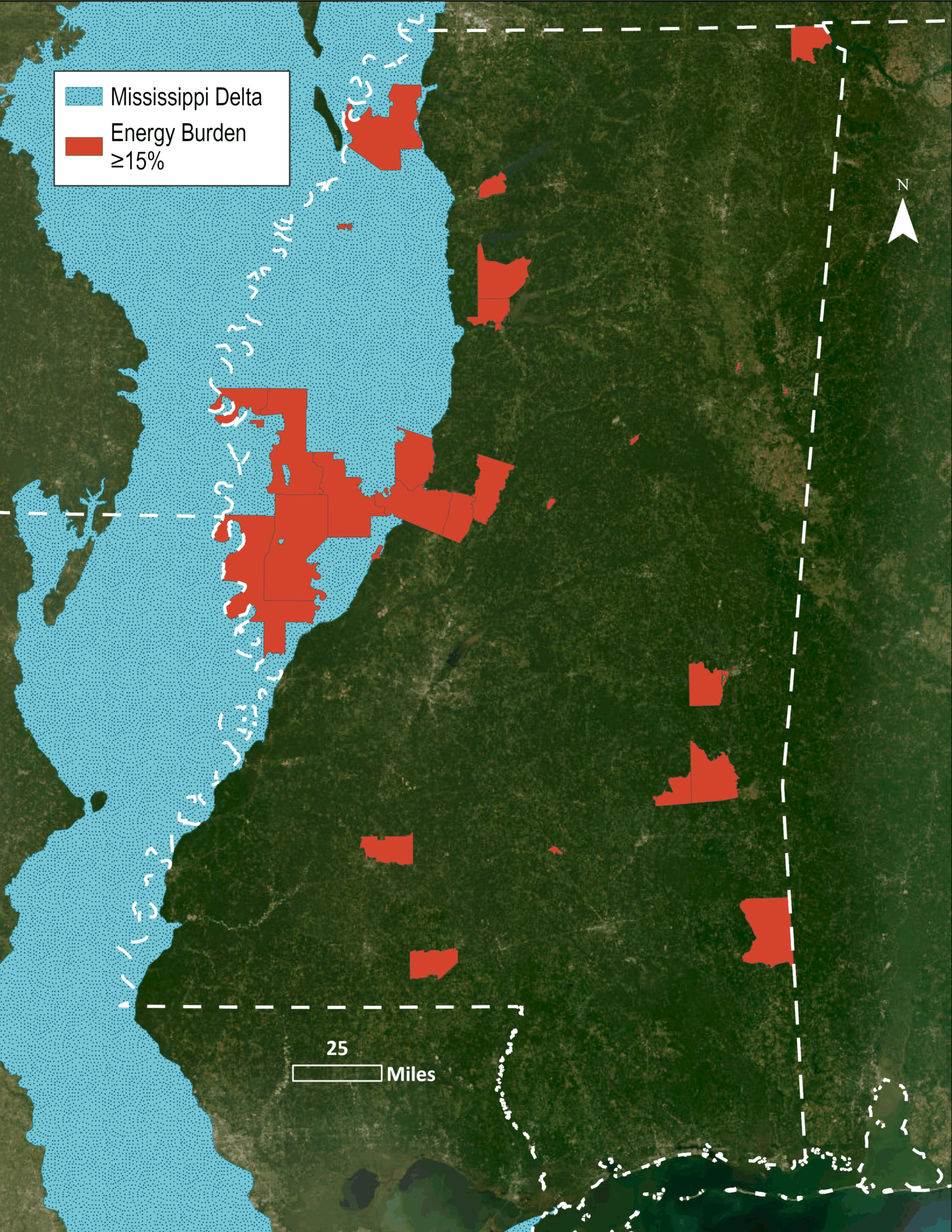
Understanding energy burden trends across the state highlights opportunities for targeted weatherization and home repair, proven strategies for reducing energy use, improving affordability for energy-burdened households, and lowering the strain on the energy grid, which supports overall system reliability.
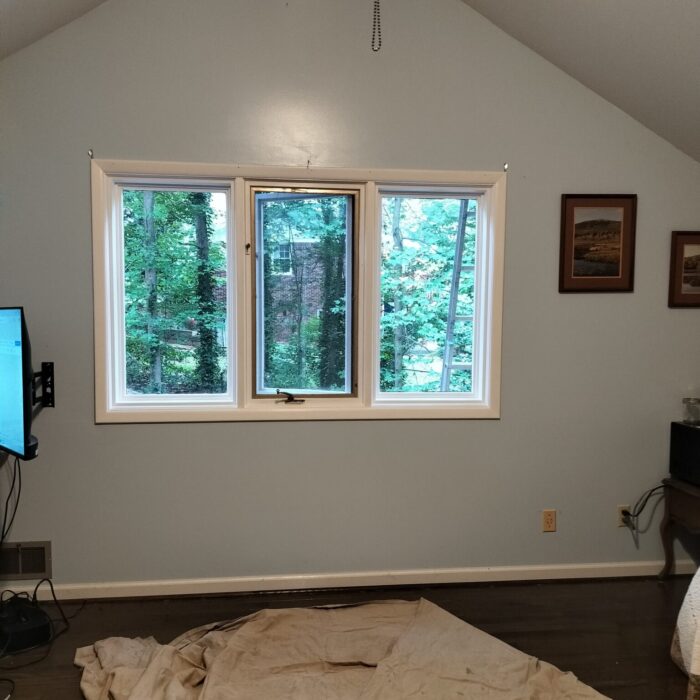
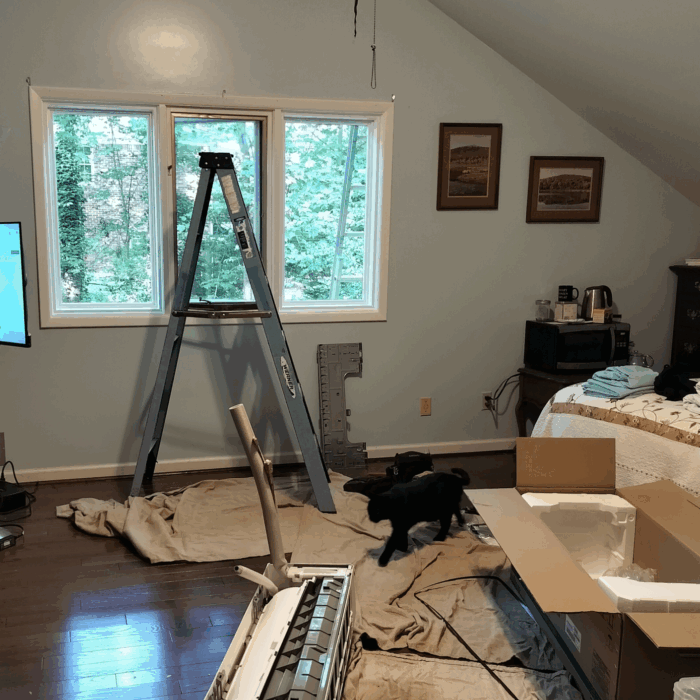
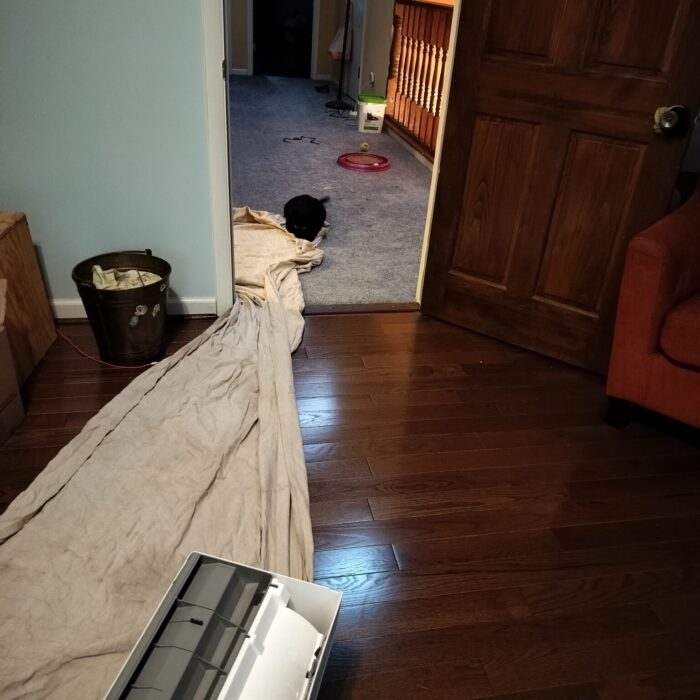
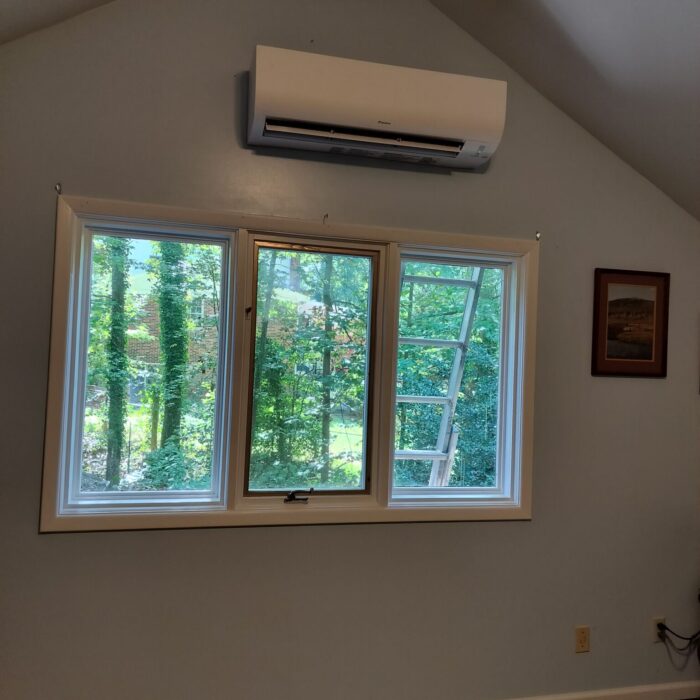
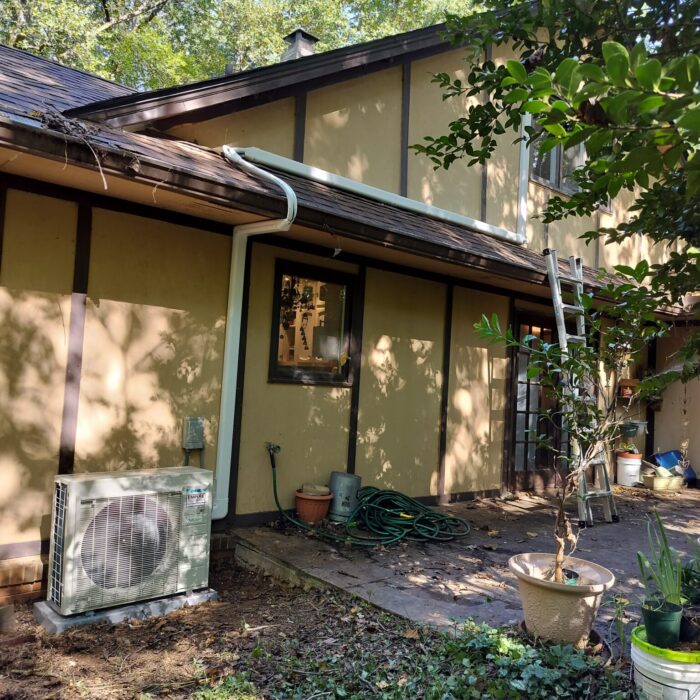
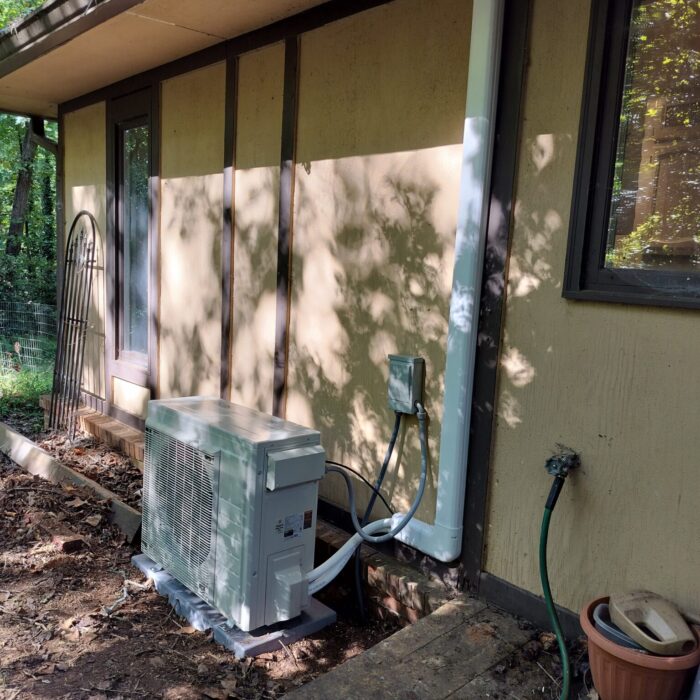
Hot Office, Cool Solution: Selecting a Ductless Mini-Split Heat Pump
Background Information
Decision Factors
Timing & Research
Personal Context
Experience & Advice
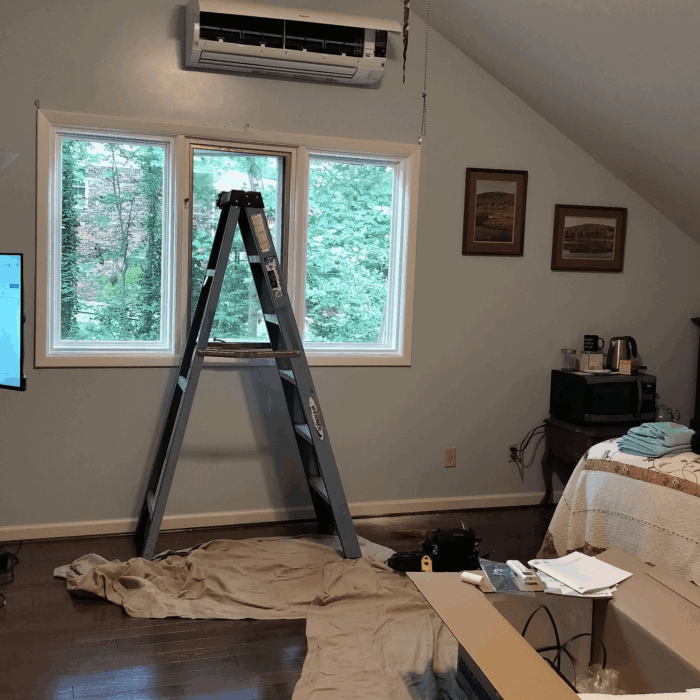
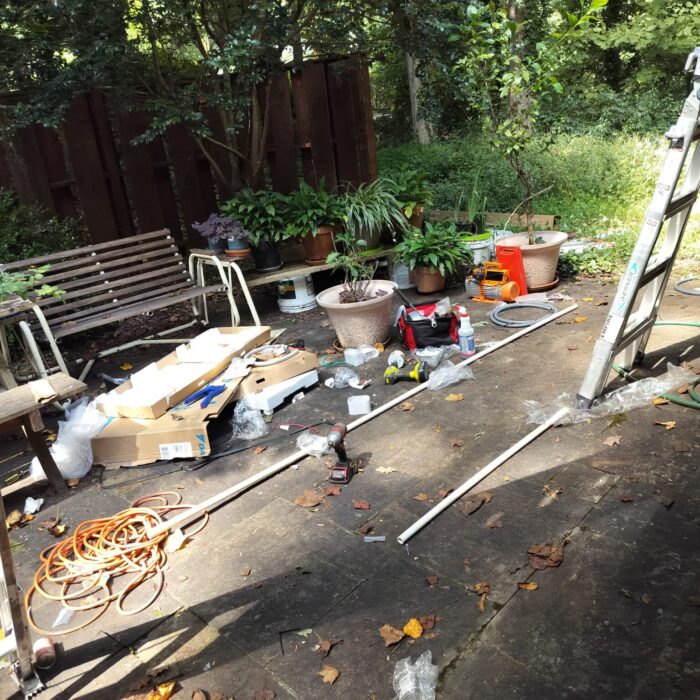
 Before installation, during contractor preparation with dropcloths
Advancing Energy Affordability in the South: Reflecting on SEEA’s Annual Member Meeting
By Will Bryan
Earlier this year, the news broke that Atlanta is “dead last” in economic mobility. This wasn’t entirely new news. In 2014 Atlanta ranked forty-ninth out of the nation’s top fifty metro areas for economic mobility, according to researchers at Harvard University. By analyzing tax returns over time, the study’s authors found Atlantans faced steep barriers to economic mobility. While a child born in Atlanta in 1978 would be slightly better off by the age of 27 than a child born in 1992, neither had a high likelihood of improving their economic condition. But when that 2014 study was updated this year Atlanta dropped to last place.
Georgians received a double-whammy last month in a new CNBC study, which ranks Georgia as the tenth best state in the country to do business but the worst state in the nation for quality of life, with several other Southern states rounding out the bottom of that list. These reports underscore that the realities of life for many people in our region are deeply challenging, with few opportunities to thrive and move ahead.
Using these insights as the starting point, SEEA’s annual member meeting explored why issues like economic mobility should matter to energy efficiency practitioners and how our work makes a vital contribution to addressing these issues, particularly at a time when energy affordability is of increasing concern of households throughout the nation.
As SEEA’s work has indicated, energy affordability is a central concern for millions of people in the South. Our region experiences outsized rates of energy insecurity and affordability challenges, which disproportionately affect low-income households. These families often lack the financial resources to invest in efficiency solutions, trapping them in a cycle of high bills and uncomfortable – even unhealthy – living conditions. This can contribute to a lack of economic mobility, and worse. According to recent research, energy burdened households have a 150-200% greater risk of falling into, or staying trapped in, economic poverty.
Over the course of two days, SEEA members engaged in a dynamic program focused on key causes and solutions to such widespread struggles with energy affordability. The member meeting highlighted bright spots: programs that address energy insecurity, cutting-edge research insights that can guide programs and policies, and other innovations that are positioning the South as a leader in developing impactful solutions to energy affordability challenges. We also heard compelling evidence of how efforts to enhance energy affordability contribute meaningfully to solving other pressing issues, including improving public health outcomes, enhancing community resiliency, reducing peak demand, and yes, improving economic mobility.
Our members rounded out the meeting by experiencing firsthand how efficiency efforts are helping to improve economic mobility in Jacksonville. Thanks to JEA, we traveled to the eastside to learn about the incredible work happening through LIFT JAX – a nonprofit focused on eradicating generational poverty – alongside partners like JEA. We toured Debs Store, a historic business that has been completed retrofitted to serve as a grocery store, bank, and community hub for energy efficiency education and other essential services. This unique program model, which integrates energy solutions with wider community support and development, is one of the most innovative in the region.
Energy affordability has long been a core concern for SEEA, and our work provides our members with invaluable guidance on the critical context, effective policies, and essential program needs to improve affordability throughout the South. Our research not only outlines the pervasive nature of energy insecurity but also delivers actionable data for utilities, local decision-makers, and community-based organizations. This data empowers them to secure transformational investments, design and implement effective programs, and advance community development initiatives that can support entire neighborhoods. By connecting energy efficiency to critical issues like economic mobility, we also tell compelling stories about why this work matters and expand the set of stakeholders who are engaged in advancing energy efficiency.
We’ve seen it time and again in our work: investments in housing are, at their core, investments in energy infrastructure. By enhancing energy efficiency, we do more than just lighten the load on burdened households – both financially and in terms of health. We directly contribute to the “triple bottom line,” delivering benefits for people, the planet, and fostering prosperity. This strategy is vital for managing future energy growth, building a truly resilient system, and ultimately, ensuring a better future for everyone in the South.
We can only succeed in this work alongside great partners. We encourage you to reach out or explore our work to understand these critical issues and to see how we can work together on solutions.
Bringing Direct Pay Home: Helping Georgia Communities Explore Clean Energy Funding Opportunities
By: Ashley McBride, Esq. and William D. Bryan, Ph.D.
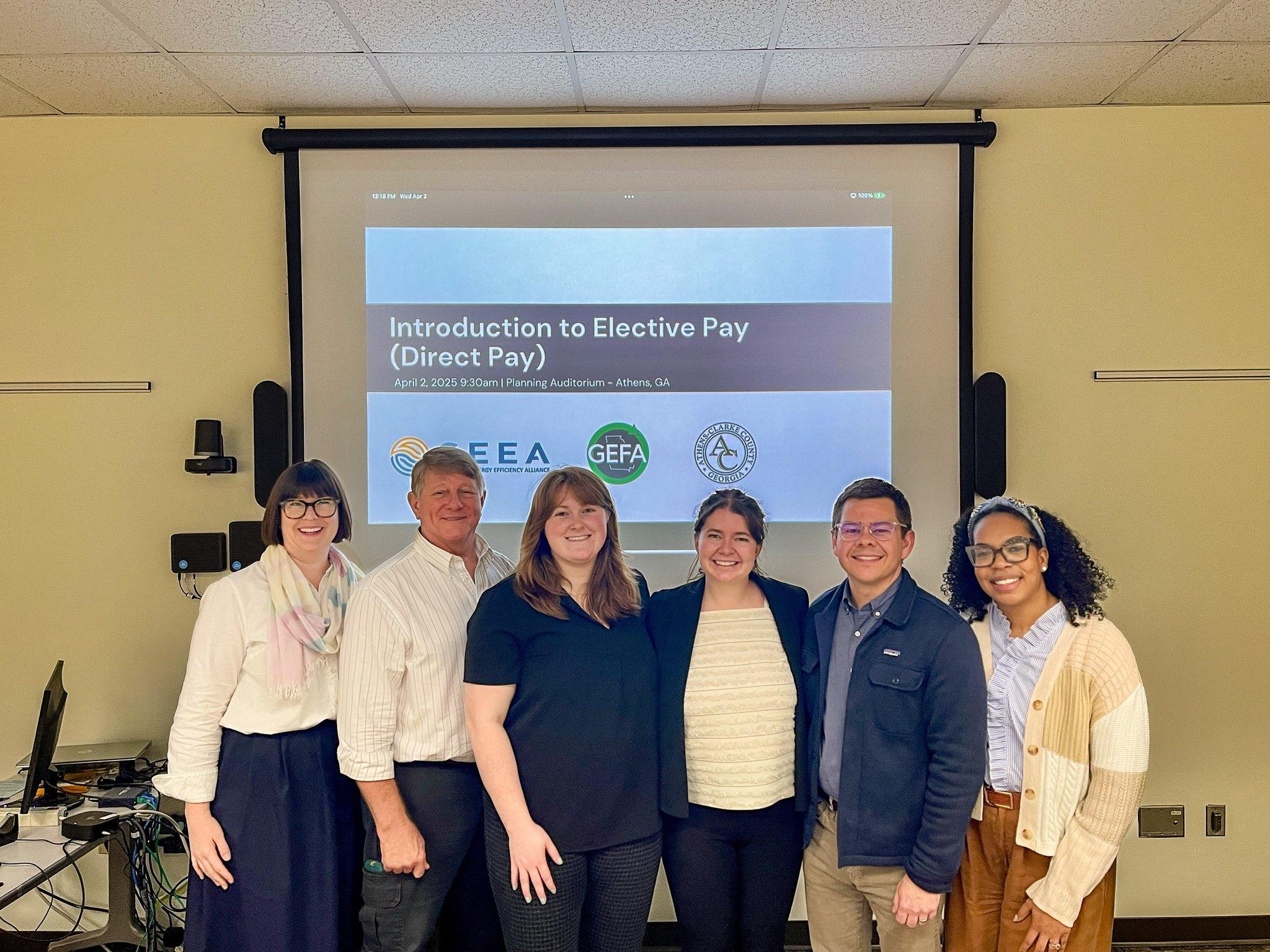
Last week, SEEA hit the road with Georgia Environmental Finance Authority (GEFA) and CYR Strategies for a three-stop Direct Pay Roundtable Tour, connecting with local governments, nonprofits, and community leaders to explore one of the Inflation Reduction Act’s most powerful tools: Direct Pay.
We started in Savannah, where coastal communities—facing both energy burdens and climate risks—are eager to invest in clean energy, but need trusted guidance to navigate IRS requirements and project eligibility. Participants emphasized the need for clear pathways to compliance and trusted partners to support implementation. “This was a really well put on event. It was a great balance between a formal presentation and a casual conversation. It allowed everyone to ‘participate’ with questions and really engage,” said Joshua Corning, Clean Energy Program Manager, with the City of Savannah Office of Sustainability. In Athens-Clarke County, the roundtable highlighted the demand for ongoing convenings, a space for local governments, nonprofits, and houses of worship to come together, identify potential projects, and work collaboratively through the Direct Pay process. There was strong interest in using Direct Pay strategically to stretch existing grant dollars, especially in under-resourced areas. Participants were enthusiastic about continued engagement and regional collaboration, with SEEA playing a key convening role.
We wrapped up in Decatur, where the conversation focused on practicality and replicability. Many leaders expressed a desire for template projects—pre-vetted models with clear steps for implementation and Direct Pay eligibility. Cassie Rowlands, Founder & Principal at CYR Strategies, helped provide concrete examples and success stories in her introductory presentation on Direct Pay. One attendee noted “It was incredibly helpful to see examples of projects that have successfully completed the direct pay process along with a recommended timeline. This was the first time I have seen those concretely shared.”
Across all three cities, the message was clear: communities are motivated and ready, but they need support—from capacity building and technical guidance to sharing lessons learned. Rowlands said “Direct pay is such a game changer for these entities, making clean energy more achievable than ever. We need to make sure as many entities as possible are aware of – and taking advantage – of this mechanism and not leaving money on the table.”
Our partnership with GEFA was essential to the success of these roundtables. Their presence helped connect participants to state-level programs and funding opportunities, and their outreach ensured that trusted local voices were in the room.
SEEA remains committed to continuing this work, convening stakeholders, and breaking down barriers to federal funding across the Southeast. Direct Pay is not just a financial mechanism, it’s a catalyst for local resilience, and community-led solutions.
Let’s build on this momentum together.
Buildings Blueprint (4th Quarter)
By Olivia Begalla & Elizabeth Willis
Buildings Blueprint October – December 2024
What SEEA Staff is Reading
—
Energy for All Y’all shares powerful stories of communities driving energy equity in the Southeast. Discover how they’re shaping a more inclusive energy future here.
An article by the New York Times highlights a growing issue: as natural disasters grow more frequent and unpredictable, insurance companies are increasingly refusing to renew policies in high-risk areas. In the Southeast, this challenge is especially significant, with communities facing heightened vulnerability to hurricanes, flooding, and other extreme weather events. This trend leaves homeowners vulnerable and exposes significant gaps in traditional insurance coverage.
The U.S. Department of Energy (DOE) has determined that the 2024 update to the International Energy Conservation Code (IECC) will improve energy efficiency in residential buildings. According to a technical analysis by the Pacific Northwest National Laboratory (PNNL), homes built to meet the 2024 IECC are expected to achieve 7.80% savings in on-site energy use, 6.80% savings in overall energy use, and 6.60% savings in energy costs across the country. This determination aligns with the requirements of the Energy Conservation and Production Act (ECPA). For supporting technical analysis, previous model energy code determinations, and commercial building energy code analyses, find more here.
—
Resources
—
Insulation is vital for energy efficiency, comfort, and reducing costs. Curious about how insulation works, its benefits, and how it can save you money? Read our latest blog to learn more about building insulation and how it impacts your home’s performance.
SEEA staff has recently published a blog on the role of Building Performance Standards (BPS) in addressing energy efficiency and decarbonization in the built environment, with a focus on their potential impact in the Southeast. This blog will cover what Building Performance Standards (BPS) are, how they differ from traditional building codes, why they are an effective strategy for meeting energy efficiency goals, and the unique challenges of implementing them in the Southeast. Click here to read the blog and learn how BPS can transform our buildings into resilient, energy-efficient assets.
—
SEEA member, Building Efficiency Resources (BER) is offering FREE training on RESNET’s National Standards for Sampled Ratings (Addendum 46), which will take effect on July 1, 2025. At that time, all Sampled Ratings projects must follow the updated procedures in MINHERS Chapter 6. With the current voluntary compliance period, this is a great opportunity to get a head start.
The training includes interactive modules and practical exercises to help you build the skills needed for success. It’s designed to support both seasoned professionals looking to stay up-to-date and newcomers eager to learn the ropes.
The U.S. Department of Energy (DOE) is partnering with Google to help homeowners find Energy Skilled™ professionals through Google Search and Maps. This DOE designation highlights contractors with the expertise to perform high-quality energy upgrades, like home audits and heat pump installations. The initiative makes it easier for people to save money, improve home comfort, and access Inflation Reduction Act tax credits. It also supports workforce development by encouraging states to use the Energy Skilled certifications to guide funding and create approved contractor lists.
The Association of Energy Services Professionals (AESP) is seeking skilled energy experts to join its institute as trainers. If you excel at engaging learners, delivering effective training, and promoting courses, apply by January 31st, 2025, at 5 PM PT.
The U.S. Department of Energy has introduced new tools to help contractors easily access tax credits for energy-efficient home appliances. These tools streamline the qualification process for incentives under the Inflation Reduction Act, enabling contractors to assist homeowners with energy-efficient upgrades. Over 2.3 million families have already claimed this credit, saving more than $2 billion in total. Learn more about these resources here.
—
Regional News
We’re excited to highlight the Buildings UP Phase 2 winners from the Southeast and U.S. Islands region, who are leading the way in energy efficiency and sustainability. We want to congratulate Shifted Energy Inc. from Honolulu, HI, which is advancing whole-home efficiency and energy resilience in native and frontline communities. Shifted Energy will receive a $400,000 cash award and technical assistance to continue their impactful work.
Winners are eligible to advance to Phase 3, where they may receive up to $400,000 in cash prizes and technical assistance to scale energy efficiency building upgrades. Eight additional Southeast teams are competing for Phase 3, with final submissions due in July of 2025 and awardees announced soon after. ——————————————————————————————————————————
The Community Lighthouse project, a partnership between Louisiana and local organizations, was successfully tested for the first time during Hurricane Francine, marking a significant achievement. The initiative, which installs solar panels on churches and community buildings, transforms these spaces into off-grid refuge centers after storms. Outfitted with charging stations, food, water, and deployable batteries from the Footprint Project, the Lighthouses provided essential support in the immediate aftermath of the hurricane. All ten Lighthouses were activated, proving the effectiveness of this solar-powered network in delivering relief during extreme weather events. This successful deployment has received national and local media attention and highlights the importance of building resilient electricity hubs to support communities in disaster-prone areas like Louisiana.
——————————————————————————————————————————
Georgia’s Home Energy Rebates offer incentives for households to purchase and install electric appliances, insulation, air sealing, HVAC systems, and other energy-saving home improvements. Eligible households can receive up to $16,000 in savings based on income and/or expected energy savings. Through the Home Efficiency Rebates (HER) and Home Electrification and Appliance Rebates (HEAR), Georgians can access rebates for whole-home energy retrofits or appliance upgrades, with rebate amounts determined by energy savings and household income. Click here to learn more about how you can save on energy-efficient home upgrades and improve your home’s comfort!
SEEA is hiring for our Buildings team!
Reducing greenhouse gas emissions in buildings, or building decarbonization, is an essential strategy for achieving emission reduction goals, managing housing and utility costs, and creating healthy facilities with improved indoor air quality. The Southeast Energy Efficiency Alliance (SEEA) seeks qualified candidates to change the status quo of building energy efficiency in the Southeast by planning and implementing clean energy programs and projects. These positions will cultivate expertise and resources, engage with stakeholders to understand their distinct needs and perspectives, and support processes and special projects to leverage available resources for SEEA initiatives
Buildings Program – Senior Manager
The manager / senior manager is responsible for the management, supervision, and continued development of SEEA’s portfolio of projects and programs. The position collaboratively guides individuals and teams to achieve program outcomes, engages with external stakeholders to understand their needs and provide insight on policy decisions, and leads the development and funding of new initiatives. This position will provide subject matter expertise across the organization and ensure that project goals align with SEEA’s mission and goals.
Reporting to the Director of Technology and Market Solutions, the manager / senior manager will support initiatives including, but not limited to, building energy codes, building energy efficiency programs, and workforce development efforts while contributing to SEEA’s cross-functional work. This position will build partnerships with state and local governments, nonprofits, academia, businesses, and utilities to support SEEA’s work across 12 states and five U.S. territories.
Buildings Program – Associate
This program associate will report to the built environment senior program manager to support initiatives including, but not limited to, building energy codes, building energy efficiency programs, and workforce development efforts while contributing to SEEA’s cross-functional work. This program associate will build partnerships with state and local governments, nonprofits, academia, businesses, and utilities to support SEEA’s work across 12 states and five U.S. territories.
Join us in making a lasting impact—learn more and apply today!
——————————————————————————————————————————
Building Performance Standards (BPS): Driving Energy Efficiency and Decarbonization in Existing Buildings
By Elizabeth Willis
Buildings account for nearly 40% of the energy consumed annually in the United States, making them not only one of the largest contributors to greenhouse gas emissions but also one of the most promising sectors for meaningful improvement. Even small gains in building efficiency can have an outsized impact, driving significant emissions reductions and positioning buildings as a critical focal point for climate action.
As cities and states across the U.S. begin implementing ambitious climate plans, Building Performance Standards (BPS) are emerging as a powerful and effective policy tool. By focusing on improving the energy efficiency of existing buildings, BPS policies fill a gap that traditional building codes—primarily aimed at new construction—fail to address. This is especially critical because most of the buildings that will be in use by 2050 have already been built. Achieving meaningful emissions reductions requires modernizing the aging building stock to meet higher energy performance standards. Building Performance Standards (BPS) help accomplish this by driving energy efficiency improvements, lowering operational costs, and reducing greenhouse gas emissions while delivering broader benefits such as improved air quality, job creation, and community health.
In this post, we’ll delve into the fundamentals of Building Performance Standards, their importance in advancing climate goals, the challenges of implementing them, and why they hold particular promise for the Southeast, where unique hurdles intersect with urgent needs for equity-driven energy policy.
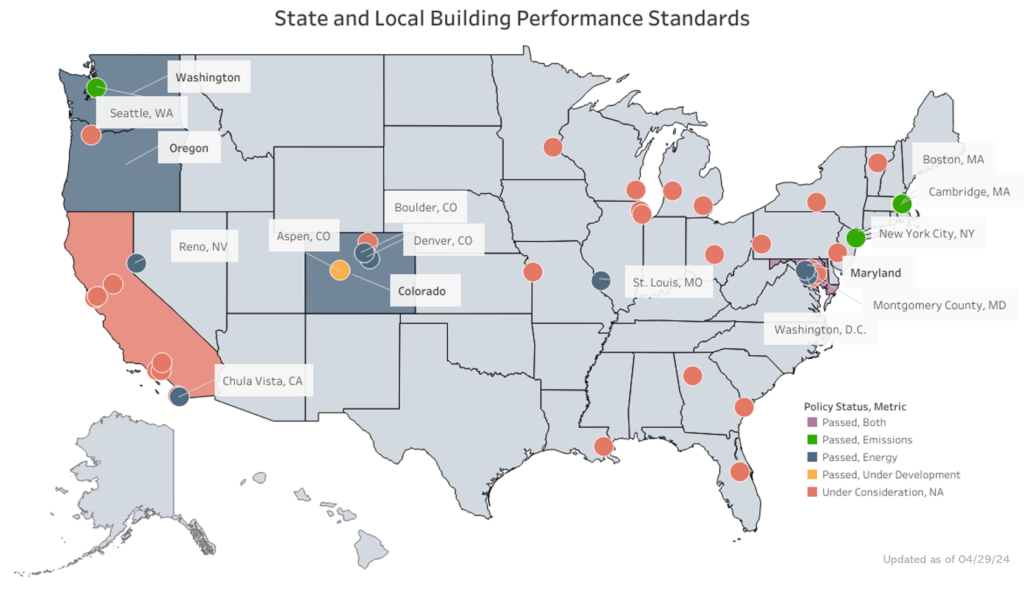
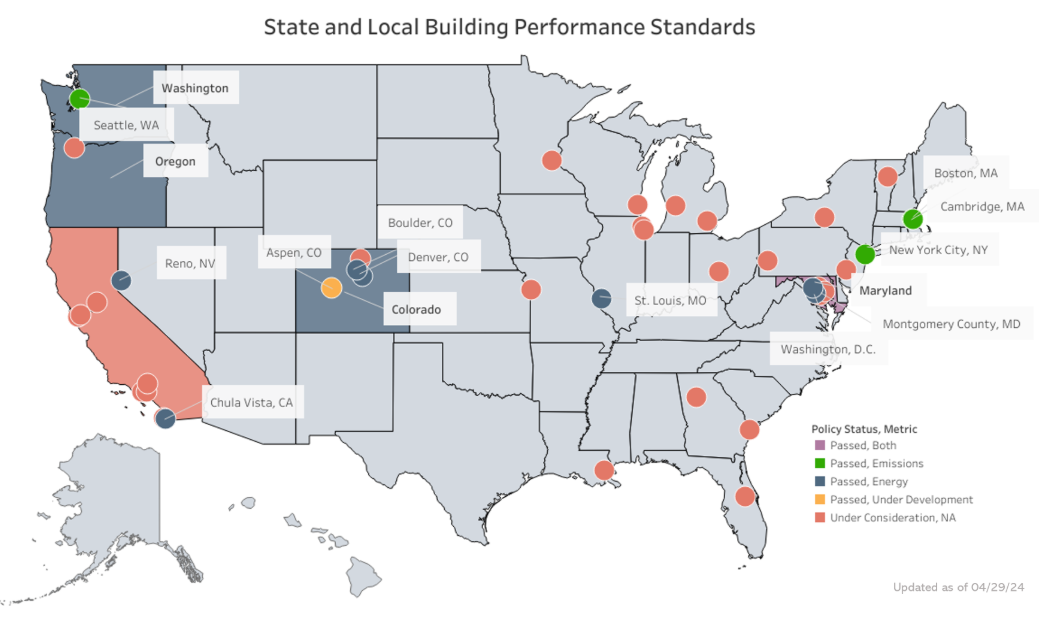
Map by U.S. Department of Energy
What Are Building Performance Standards (BPS)?
Building Performance Standards (BPS) are policies that require existing buildings to meet specific energy or emissions performance targets. These policies are typically adopted by municipalities or states seeking to cut energy consumption, reduce carbon emissions, and improve public health. BPS policies typically focus on large commercial and multifamily buildings, requiring owners to meet measurable benchmarks that get more stringent over time, mandating continuous improvement in the buildings’ performance.
Unlike traditional building codes, which focus on prescriptive requirements for new construction, BPS take an outcome-based approach. Property owners are granted the flexibility to choose the strategies that work best for their buildings, whether it’s retrofitting HVAC systems, improving insulation, installing renewable energy systems, or upgrading windows. What matters is the result: improved energy performance that aligns with the jurisdiction’s climate and energy goals.
The brilliance of BPS lies in its focus on existing buildings—a critical yet often overlooked segment of the built environment. While new buildings constructed under modern codes already achieve high efficiency levels, older structures usually lag behind. By requiring existing buildings to improve their performance, BPS ensures that the entire building stock contributes to long-term energy savings and carbon reductions.
The Benefits of BPS
Building Performance Standards (BPS) offer a spectrum of benefits that extend beyond energy efficiency. They drive substantial energy savings, lower greenhouse gas emissions, and enhance the functionality of existing buildings. By modernizing aging infrastructure, BPS boost property values, stimulate local construction jobs, and improve indoor living conditions, promoting better air quality, comfort, and productivity for occupants. Communities benefit from cleaner outdoor air, improved public health, and measurable progress toward climate goals. Furthermore, these standards provide state and local governments with actionable insights, increase market transparency, and strengthen tenant satisfaction by fostering sustainable and efficient building operations.
Why Building Performance Standards Are Essential
Buildings are at the center of the climate challenge—and the solution. Accounting for nearly 40% of energy consumption in the U.S., buildings are one of the largest contributors to greenhouse gas emissions. Yet, they also represent a massive opportunity for progress.
Most of the buildings we rely on today will still be in use decades from now. Focusing exclusively on making new buildings energy-efficient isn’t enough to meet our climate goals. Instead, we need policies that drive retrofitting and modernization in existing structures, where the potential for energy savings is most significant.
This is where BPS policies shine. By setting clear, measurable performance standards, they provide a structured pathway for building owners to upgrade their properties over time. Jurisdictions with ambitious climate action plans—such as Washington, D.C., and New York City—are leveraging BPS to reduce emissions and energy use across their building stock, demonstrating the potential for other cities and states to follow suit.
Challenges to Implementing BPS in the Southeast
The Southeastern United States faces unique challenges that make implementing BPS both more complicated and more necessary. This region, characterized by high energy consumption, aging infrastructure, and inequities in energy access, provides a vivid case for why BPS policies are needed—and what makes them challenging to implement.
One of the primary challenges to building innovation in the Southeast is the regulatory environment . States like Tennessee and Kentucky prohibit local jurisdictions from adopting building policies that go beyond state-mandated codes. This creates a roadblock for cities like Nashville and Louisville, which have expressed interest in BPS but are unable to move forward under current laws.
Another significant hurdle is the prevalence of historic buildings in the region. While these structures are culturally and architecturally valuable, they are often expensive and difficult to retrofit for energy efficiency. Preservation restrictions can further complicate efforts to modernize these buildings, limiting the types of upgrades that can be made.
Perhaps the most pressing—and often overlooked—challenge in the Southeast is the region’s high energy burden and widespread energy insecurity. The Southeast has the highest proportion of households in the U.S. that spend an unsustainable percentage of their income on energy costs. This problem disproportionately affects low-income families and communities of color, many of whom struggle to afford consistent and reliable energy.
Energy insecurity forces families to choose between paying their utility bills and meeting other basic needs like food, medicine, or rent. By reducing energy consumption and lowering energy bills, BPS policies have the potential to alleviate this burden, creating a more equitable energy future. However, historic disinvestment in underserved communities complicates this process. Many property owners in these neighborhoods lack access to the capital needed for retrofits, perpetuating a cycle of inefficiency and inequity.
Despite these challenges, the Southeast represents an immense opportunity for BPS to make a meaningful impact—especially when policies prioritize equity and target resources to areas that need them most.
Establishing Benchmarking as a First Step
Implementing a full-scale BPS policy begins with benchmarking. A benchmarking policy requires building owners to measure and report their energy use, creating a comprehensive dataset that helps jurisdictions understand the energy performance of their building stock.
Benchmarking is a foundation for future BPS policies that sheds light on the energy performance of each building in a particular jurisdiction and provides a way to compare buildings. It also raises awareness among property owners, often spurring voluntary improvements before mandatory policies are enacted. For example, Atlanta’s voluntary benchmarking policy has provided valuable insights into energy consumption patterns, though the lack of required performance targets limits its potential to drive impactful upgrades.
Leading by Example with Public Buildings
Many jurisdictions begin their BPS journey with government buildings, using them as a proving ground for the policy. By mandating performance standards on public facilities, cities and states can demonstrate the feasibility of retrofitting projects, leading by example and highlighting the benefits of energy upgrades.
This “lead by example” approach generates momentum for broader public adoption and helps refine the policy before extending it to the private sector. Public buildings provide a controlled environment for testing strategies, making them ideal starting points for BPS implementation.
Conclusion: Building a Sustainable and Equitable Future
With its unique challenges, the Southeast represents both a significant hurdle and an unparalleled opportunity. By prioritizing energy equity and targeting resources to underserved communities, BPS policies can do more than just reduce emissions—they can improve quality of life, alleviate energy burdens, and foster long-overdue investments in historically disinvested neighborhoods.
As cities and states across the country work to meet ambitious climate goals, BPS offers a powerful tool to ensure that progress is inclusive, impactful, and far-reaching. Building Performance Standards are more than just an energy policy—they’re a pathway to a more sustainable, equitable, and resilient future.