

Q1 2026 Buildings Blueprint


Buildings Blueprint
February 2026
Welcome to SEEA’s Buildings Blueprint, where we share updates and resources on energy codes and the built environment across the Southeast and U.S. Island territories.
SEEA Updates
December Map of the Month: Energy Burden in Mississippi
Mississippi plays a major role in the nation’s energy system, yet households across the state face some of the highest levels of energy insecurity in the country. This month’s map uses U.S. Department of Energy LEAD Tool data to show average energy burdens by census tract, revealing that affordability challenges are widespread, particularly in the Mississippi Delta and rural communities, where historic disinvestment and higher poverty rates deepen household energy costs. Understanding where burdens are highest can help guide targeted weatherization and home repair efforts that improve affordability and support overall grid reliability.
Click the link below to read the blog and explore the interactive map.
January Map of the Month: Aging Homes, Rising Energy Costs
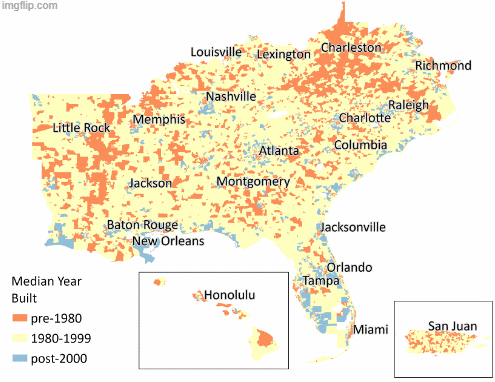
Across the Southeast, the age of our housing stock plays a major role in energy costs and affordability. Roughly 40% of homes were built before 1980, often before modern energy codes were in place, and rural communities are especially impacted, with some areas where 40% or more of homes were built before 1960. Without efficiency upgrades, residents in these older homes are more likely to face higher energy bills.
January’s Map of the Month, by Amy Lovell, Ph.D., highlights where older homes are concentrated across the region and underscores the opportunity for energy efficiency upgrades, which can reduce annual energy costs by 10–30%. It also shows how newer building energy codes can deliver additional savings for new construction, while pointing to ongoing challenges around upfront repair costs and limited funding for retrofits.
Resources
Virginia Launches Centralized Hub for Energy Rebates and Incentives
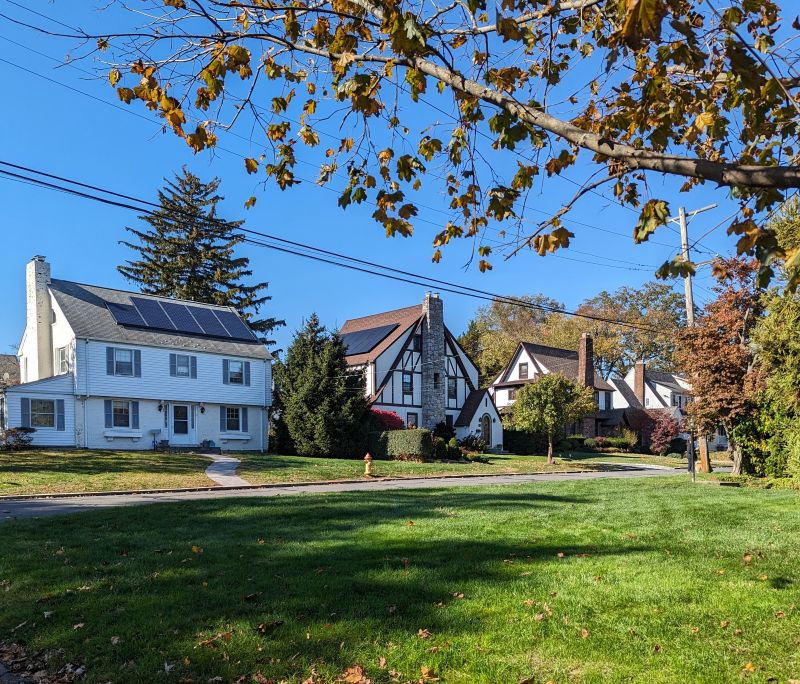
The Virginia Department of Energy has launched a new online platform, Virginia Energy Connect (VEConnect), designed to simplify access to energy rebates and incentive programs for residents and businesses statewide. The hub brings together federal, state, and local energy programs into a single, easy-to-navigate site, helping users more easily identify and stack opportunities for energy upgrades and cost savings.
Developed in collaboration with community organizations, state and local agencies, utilities, and contractors, the platform was shaped to address common barriers to participation in energy affordability programs. For households and small businesses facing high energy costs, VEConnect highlights pathways to energy-efficient technologies and building improvements that can lower bills and improve comfort—offering a model for how one-stop-shops can support energy efficiency goals across the Southeast.
New Playbook Supports Public Sector Innovation
A new resource from Johns Hopkins University, developed in collaboration with Bloomberg Philanthropies Innovation Teams (i-teams), offers practical guidance for public sector leaders working to solve complex local challenges. The Path to Public Innovation Playbook outlines tested methods and mindsets that help governments identify opportunities for impact, build trust with residents, and deliver lasting systems-level change.
Designed for cities building internal innovation capacity, the Playbook draws on lessons from i-teams in more than a dozen countries and can be used as a guide, reference, or companion to training. For communities advancing energy efficiency, building performance, and climate resilience, the resource offers valuable insights into how local governments can design and implement inclusive solutions that respond to real-world conditions in the built environment.
New Guide on Multifamily Heat Pump Water Heater Installations
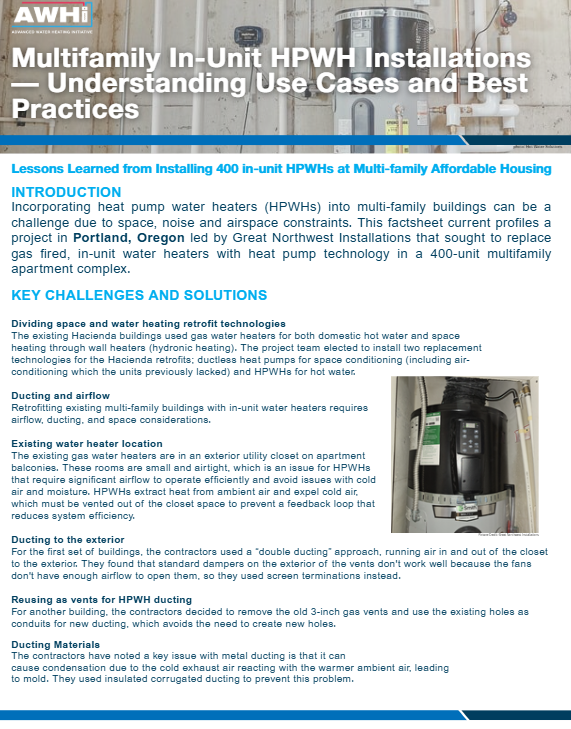
A new factsheet from the Advanced Water Heating Initiative outlines best practices for installing heat pump water heaters (HPWHs) in multifamily buildings. Based on insights from an ongoing 400-unit retrofit project, the guide highlights key lessons from replacing in-unit gas water heaters with HPWHs, alongside ductless heat pumps for space heating.
The resource focuses on common challenges and practical strategies to support successful implementation, offering helpful guidance for those navigating similar upgrades.
Regional News
Virginia Data Center Project Breaks Ground in Caroline County
Construction is underway on a new data center campus in Caroline County, Virginia, where CleanArc Data Centers is investing $3 billion in a large-scale digital infrastructure project. The campus, which officially broke ground on November 20, 2025, is designed to support nearly one gigawatt of grid capacity and respond to growing demand for scalable, energy-conscious data center development.
The project incorporates features such as water-efficient cooling systems, land conservation measures, and design elements intended to limit noise and light impacts. As data center growth continues across the Southeast, developments like this highlight the increasing importance of energy efficiency, grid coordination, and sustainable building design in meeting rising digital demand while managing local impacts.
City of Charlotte Launches Program to Support Accessory Dwelling Units
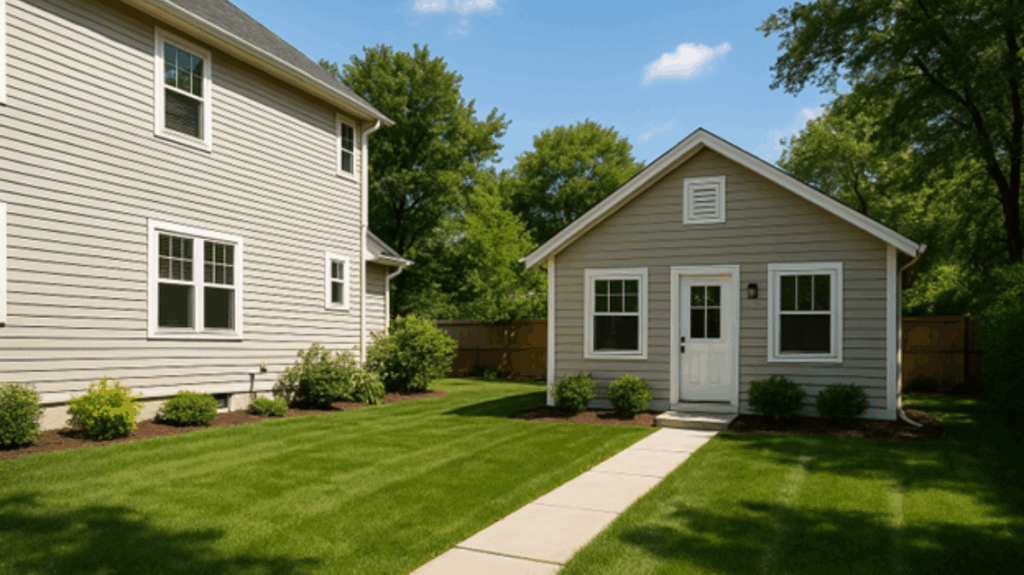
The City of Charlotte has launched the Queen City ADU Program to make it easier for property owners to add accessory dwelling units (ADUs) to existing residential properties. ADUs—such as garage apartments, basement conversions, or detached backyard units—offer a flexible way to introduce smaller housing options while maintaining neighborhood character.
As cities across the Southeast look to expand housing supply in thoughtful ways, ADUs are emerging as a practical tool to support affordability, sustainability, and more efficient use of existing infrastructure. Charlotte’s program highlights how local policies can encourage gentle density, provide housing options for seniors, single residents, and multigenerational households, and advance climate-conscious development within established communities.
What SEEA Staff is Reading
New Report Links Modern Building Codes to Insurance Affordability
A November 2025 white paper from the U.S. Chamber of Commerce’s Center for Capital Markets Competitiveness examines strategies to improve the affordability and availability of homeowners insurance amid growing climate and disaster risks. The report highlights adoption of the latest International Codes® as a key tool for reducing property losses, estimating that widespread use of modern building standards could help prevent more than $600 billion in damages by 2060. For the Southeast, where resilience and energy performance are increasingly intertwined, the findings reinforce how up-to-date energy and building codes can support safer, more durable, and cost-effective buildings over the long term.
New Global Guide Supports Bamboo as a Low-Carbon Building Material
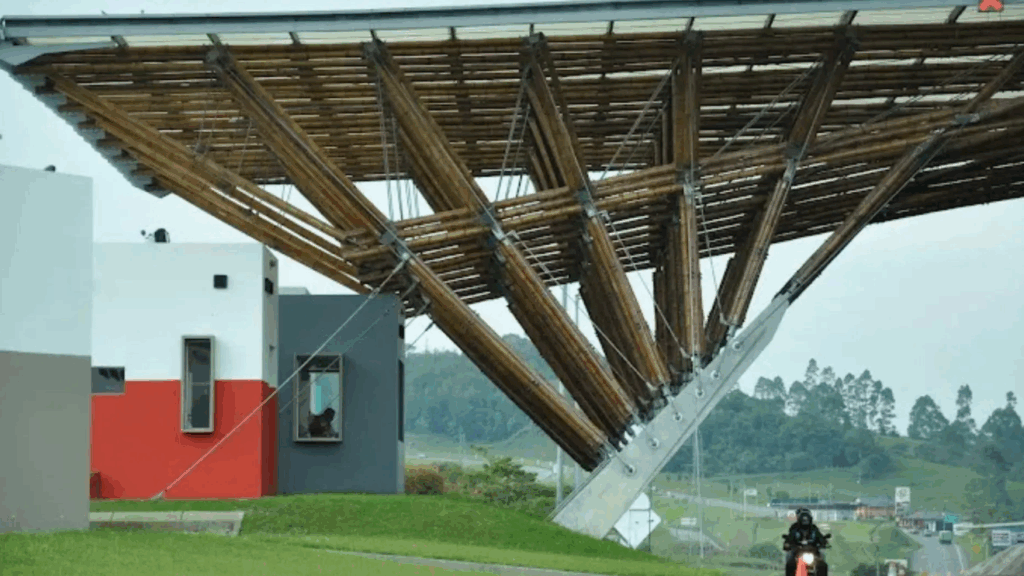
A new structural engineering manual published in January 2026 introduces the world’s first standardized guidance for using bamboo as a primary structural material in buildings. Developed by researchers and engineers from institutions including the University of Warwick, Arup, and international partners, the guide aims to close a long-standing gap that has limited bamboo’s use in modern construction despite its strength, affordability, and low carbon footprint.
By providing clear design principles for safe, durable bamboo structures—including guidance on resilience and fire considerations—the manual opens the door for broader adoption of bio-based materials in the built environment. For regions exploring lower-carbon alternatives to steel and concrete, the resource highlights how updated standards and technical guidance can expand sustainable building options while supporting climate-conscious design worldwide.
Atlanta Revitalizes Downtown Ahead of the 2026 World Cup
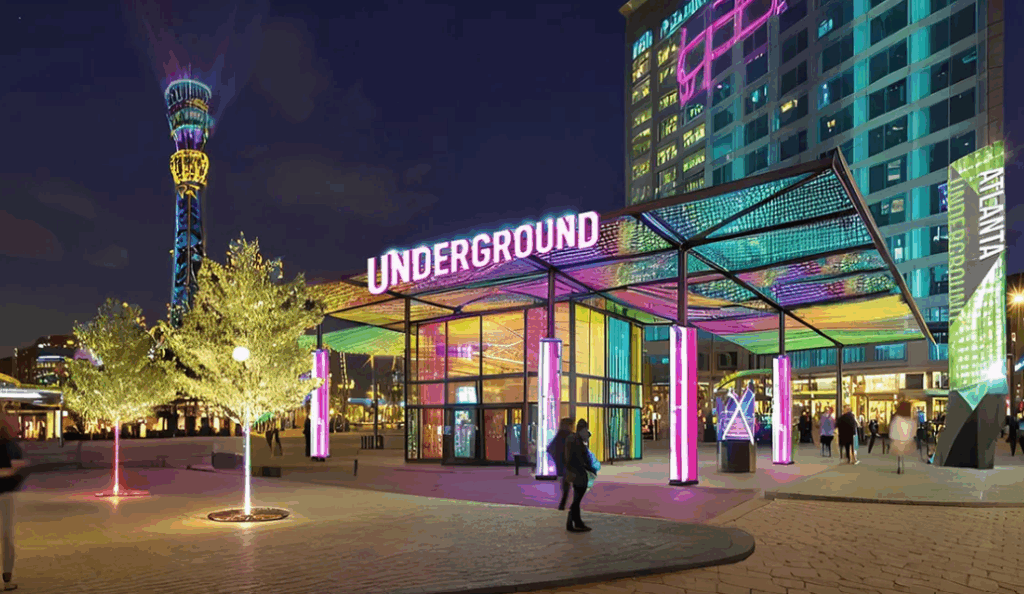
As Atlanta prepares to host the 2026 FIFA World Cup, the city is moving forward with a major revitalization effort in the historic Underground Atlanta district. New pedestrian-only streets, streetscape improvements, lighting, greenery, and adaptive reuse projects are reshaping the four-block area to improve walkability, accessibility, and everyday use for residents and visitors alike.
Led by local ownership and supported by city planning efforts, the redevelopment emphasizes reuse of existing buildings, support for small businesses, and a more people-centered downtown experience. While the World Cup has accelerated timelines, project leaders note that the upgrades are designed to deliver lasting benefits—laying the groundwork for a more vibrant, sustainable downtown long after the global event concludes.
What Ski Resorts Can Teach Us About Energy-Efficient Buildings
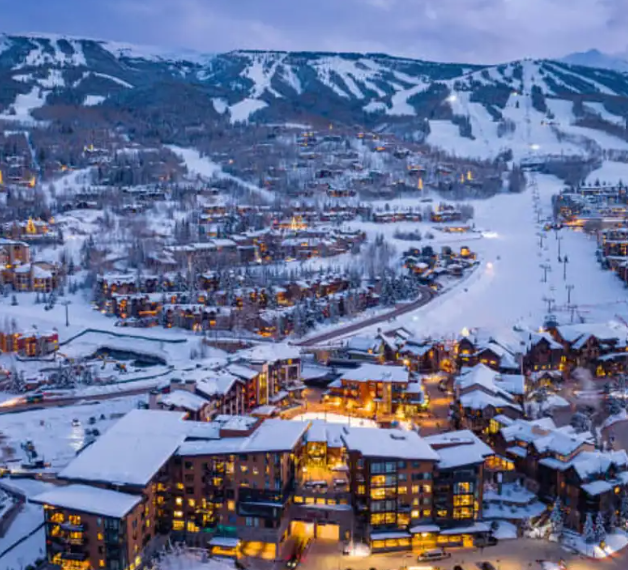
Ski resorts across the U.S. are investing in cleaner energy systems, more efficient buildings, and lower-impact operations to reduce their environmental footprint. A recent roundup highlights resorts that are leading the way through strategies such as on-site renewable energy, efficient heating and snowmaking systems, waste diversion, and transportation initiatives.
While the approaches vary by location, the examples underscore a broader lesson for the built environment: large, energy-intensive facilities can meaningfully reduce emissions and operating costs through thoughtful building upgrades and clean energy integration. For communities across the Southeast and beyond, these efforts illustrate how efficiency and sustainability measures can help preserve economic activity, manage energy use, and adapt buildings to changing climate conditions.
Trane and Amazon Partner on AI-Driven Energy Efficiency in Large-Scale Facilities
Trane Technologies, in collaboration with Amazon and Amazon Web Services, is scaling the use of AI-enabled building controls to improve energy efficiency and reduce emissions across Amazon Grocery fulfillment centers in North America. Initial pilots at three facilities achieved nearly 15% reductions in energy use by autonomously optimizing HVAC systems—exceeding original performance targets without compromising comfort or operations.
Following the pilot’s success, the technology is expected to roll out across more than 30 fulfillment and distribution centers, with plans to expand into grocery stores beginning in 2026. For the built environment sector, the collaboration highlights how advanced controls, data-driven operations, and scalable digital tools can play a growing role in decarbonizing existing buildings while delivering measurable cost and energy savings.
Walmart Scales 3D-Printed Construction Across Retail Projects
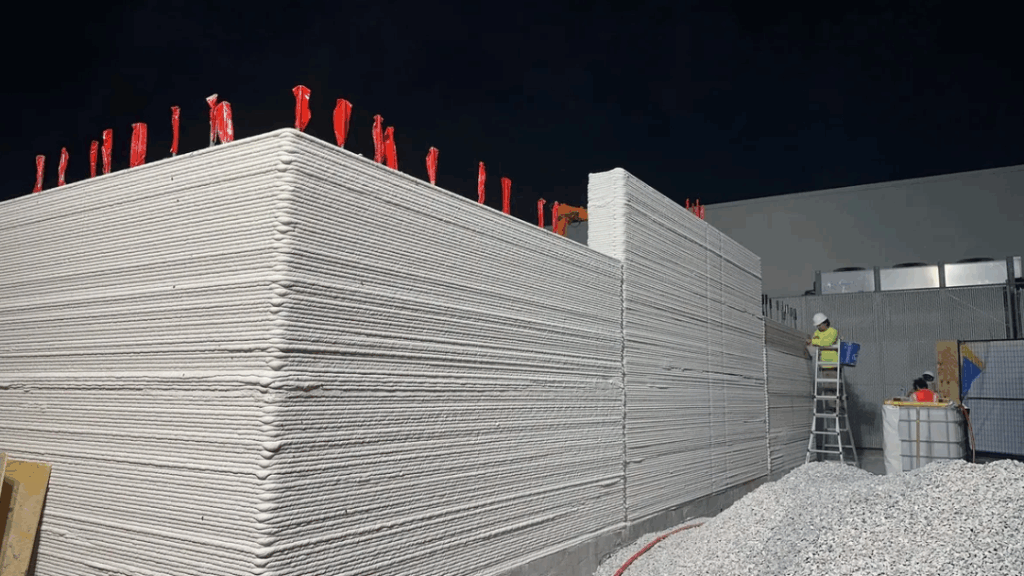
Walmart is expanding the use of 3D concrete printing across multiple construction projects nationwide through a partnership with Alquist, signaling a shift from pilot projects to broader commercial deployment. The initiative will deliver more than a dozen projects of varying size and scope, beginning with a new build at a Walmart site in Missouri.
The approach uses robotic 3D printing systems to produce structural walls and building components, supported by construction partners FMGI and Hugg & Hall. Project teams point to faster timelines, reduced on-site waste, and more consistent construction quality compared to conventional methods. As retailers and developers explore new ways to build more efficiently, the expansion highlights how emerging construction technologies could reshape commercial building delivery while supporting cleaner, more resource-efficient practices.
Events
SEEA Annual Members Meeting
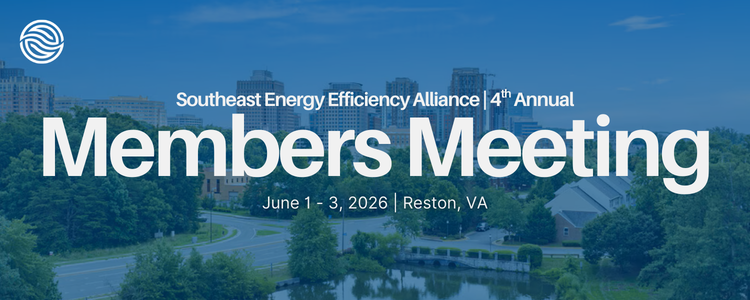
Save the date for SEEA’s 2026 Annual Members Meeting! Join us for three days of learning, collaboration, and connection with energy efficiency leaders from across the Southeast. From timely industry insights to meaningful peer conversations, the Annual Member Meeting is where our community comes together. This will be our 4th annual gathering, hosted by ICF at their state-of-the-art headquarters, a space designed for collaboration with a focus on sustainability.
📍 Reston, VA
📅 June 1 – 3, 2026
2026 Women in ASHRAE Leadership Symposium
The Women in ASHRAE Leadership Symposium is back after a sold-out debut, bringing together women from across HVACR and the built environment for two days of leadership growth and connection. Open to professionals at every career stage, the event supports skill-building, peer learning, and collective momentum for the future of the industry.
📍 Omni Los Angeles | Los Angeles, CA
📅 April 13-14, 2026
Register for RE+ Southeast 2026!
This event is designed to serve and advance this market by bringing together buyers and suppliers in solar and energy storage to explore business solutions, new technologies, policy initiatives, and other market factors.
📍Atlanta, GA
📅 March 31 – April 1, 2026
Register for the 2026 Green Sports Alliance Summit
The Green Sports Alliance Summit highlights better practices for enhancing performance and fosters dialogue with stakeholders and fans about environmental stewardship and social justice. This event will convene innovators who are pushing sustainability forward in sports and honor the trailblazers reshaping entertainment for a more sustainable future.
📍 Huntington Convention Center of Cleveland | Cleveland, OH
📅 May 5 – 7, 2026
Thank you for reading!
Have questions or want to collaborate with SEEA staff? Want something shared in our next Buildings Blueprint? Contact the Buildings Team — and don’t forget to sign up for our newsletter to stay up to date on the latest insights, resources, and announcements!